Emotional Vulnerability Is Part of Human Nature
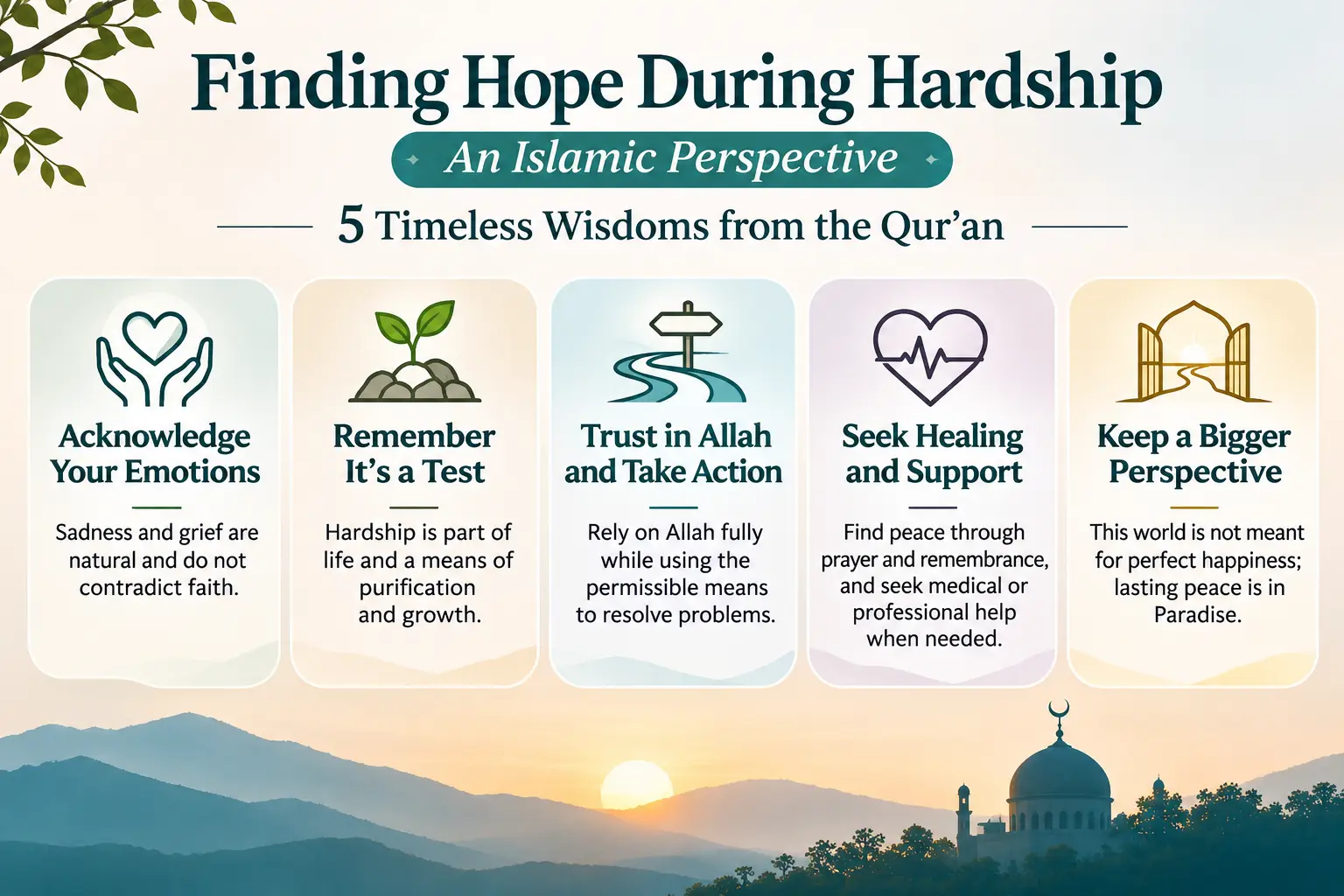
Fear, anxiety, grief, and sadness are part of being human and do not reflect weak faith. The Qur’an shows that even Allah’s most righteous servants—including the mother of Musa, Prophet Ya’qub, Maryam, and Prophet Muhammad ﷺ—experienced deep emotional pain. Their stories remind us that hardship is not a sign of Allah’s displeasure, but part of life’s test, and that true strength lies in turning to Allah with patience, trust, and hope.
1. Pain and Emotion Are Not Signs of Weak Faith
Experiencing sadness, crying, or emotional grief is a natural human response and does not contradict faith (iman) or contentment with Allah’s decree (rida bi’l-qadar).
When the Prophet ﷺ lost his infant son Ibrahim, he wept and said:
إِنَّ الْعَيْنَ تَدْمَعُ، وَالْقَلْبَ يَحْزَنُ، وَلَا نَقُولُ إِلَّا مَا يُرْضِي رَبَّنَا، وَإِنَّا بِفِرَاقِكَ يَا إِبْرَاهِيمُ لَمَحْزُونُونَ
“The eye weeps and the heart grieves, but we do not say anything except what pleases our Lord. Indeed, we are saddened by your departure, O Ibrahim.”
Tears and emotional sadness are a mercy that Allah has placed in the human heart. What Islam discourages is despair, objection to Allah’s decree, or expressions that reflect dissatisfaction with His wisdom.
2. Hardship Is Part of the Test of This Life
Allah says:
لَا يُكَلِّفُ اللَّهُ نَفْسًا إِلَّا وُسْعَهَا
“Allah does not burden a soul beyond what it can bear.”
(Surah Al-Baqarah 2:286لَا يُكَلِّفُ ٱللَّهُ نَفْسًا إِلَّا وُسْعَهَا ۚ لَهَا مَا كَسَبَتْ وَعَلَيْهَا مَا ٱكْتَسَبَتْ ۗ رَبَّنَا لَا تُؤَاخِذْنَآ إِن نَّسِينَآ أَوْ أَخْطَأْنَا ۚ رَبَّنَا وَلَا تَحْمِلْ عَلَيْنَآ إِصْرًۭا كَمَا حَمَلْتَهُۥ عَلَى ٱلَّذِينَ مِن قَبْلِنَا ۚ رَبَّنَا وَلَا تُحَمِّلْنَا مَا لَا طَاقَةَ لَنَا بِهِۦ ۖ وَٱعْفُ عَنَّا وَٱغْفِرْ لَنَا وَٱرْحَمْنَآ ۚ أَنتَ مَوْلَىٰنَا فَٱنصُرْنَا عَلَى ٱلْقَوْمِ ٱلْكَٰفِرِينَAllah does not charge a soul except [with that within] its capacity. It will have [the consequence of] what [good] it has gained, and it will bear [the consequence of] what [evil] it has earned. "Our Lord, do not impose blame upon us if we have forgotten or erred. Our Lord, and lay not upon us a burden like that which You laid upon those before us. Our Lord, and burden us not with that which we have no ability to bear. And pardon us; and forgive us; and have mercy upon us. You are our protector, so give us victory over the disbelieving people."Al-Baqara 2:286 · Sahih International)
Trials and difficulties are an inevitable part of worldly life. They serve as opportunities for purification, spiritual growth, and drawing closer to Allah. Every believer’s test is within the limits of what Allah knows they are capable of enduring.
3. Trust in Allah While Taking the Necessary Means
Islam teaches complete reliance upon Allah (tawakkul), but it also commands believers to take the permissible means (asbab) available to them.
Whether facing financial difficulties, emotional struggles, illness, or family problems, a Muslim is encouraged to actively seek solutions while placing ultimate trust in Allah. Reliance on Allah never means abandoning effort or remaining passive.
4. Healing Comes Through Both Worship and Seeking Help
Remember Allah
Allah says:
أَلَا بِذِكْرِ اللَّهِ تَطْمَئِنُّ الْقُلُوبُ
“Unquestionably, by the remembrance of Allah hearts find peace.”
(Surah Ar-Ra’d 13:28ٱلَّذِينَ ءَامَنُوا۟ وَتَطْمَئِنُّ قُلُوبُهُم بِذِكْرِ ٱللَّهِ ۗ أَلَا بِذِكْرِ ٱللَّهِ تَطْمَئِنُّ ٱلْقُلُوبُThose who have believed and whose hearts are assured by the remembrance of Allah. Unquestionably, by the remembrance of Allah hearts are assured."Ar-Ra'd 13:28 · Sahih International)
Prayer, remembrance (dhikr), recitation of the Qur’an, and sincere supplication bring tranquility to the heart during times of hardship.
Seek Medical and Professional Help
The Prophet ﷺ said:
تَدَاوَوْا عِبَادَ اللَّهِ، فَإِنَّ اللَّهَ لَمْ يَضَعْ دَاءً إِلَّا وَضَعَ لَهُ شِفَاءً
“Seek treatment, O servants of Allah, for Allah has not created any disease except that He has also created its cure.”
Seeking medical care, counseling, therapy, or other beneficial treatments is fully consistent with Islamic teachings. Looking after one’s physical and mental well-being is part of preserving the trust that Allah has placed in us.
5. This World Was Never Meant to Be Perfect
Allah says:
لَقَدْ خَلَقْنَا الْإِنسَانَ فِي كَبَدٍ
“We have certainly created mankind in hardship.”
(Surah Al-Balad 90:4لَقَدْ خَلَقْنَا ٱلْإِنسَٰنَ فِى كَبَدٍWe have certainly created man into hardship.Al-Balad 90:4 · Sahih International)
This worldly life was never intended to provide constant comfort or uninterrupted happiness. It is a place of trials, growth, and preparation for the Hereafter.
The everlasting home of peace is Paradise.
Allah says:
وَاللَّهُ يَدْعُو إِلَىٰ دَارِ السَّلَامِ
“And Allah invites to the Home of Peace.”
(Surah Yunus 10:25وَٱللَّهُ يَدْعُوٓا۟ إِلَىٰ دَارِ ٱلسَّلَٰمِ وَيَهْدِى مَن يَشَآءُ إِلَىٰ صِرَٰطٍۢ مُّسْتَقِيمٍۢAnd Allah invites to the Home of Peace and guides whom He wills to a straight pathYunus 10:25 · Sahih International)
A Beautiful Supplication for Times of Anxiety and Sorrow
The Prophet ﷺ frequently made this du’a:
اللَّهُمَّ إِنِّي أَعُوذُ بِكَ مِنَ الْهَمِّ وَالْحَزَنِ، وَالْعَجْزِ وَالْكَسَلِ، وَالْبُخْلِ وَالْجُبْنِ، وَضَلَعِ الدَّيْنِ، وَغَلَبَةِ الرِّجَالِ
Meaning:
“O Allah, I seek refuge in You from anxiety and sorrow, from weakness and laziness, from miserliness and cowardice, from the burden of debt, and from being overpowered by people.”
Understanding the Words
- Al-Hamm (الهم): Anxiety or worry about what may happen in the future.
- Al-Hazan (الحزن): Grief and sadness over something painful from the past.
- Al-‘Ajz (العجز): Inability or incapacity to accomplish beneficial matters.
- Al-Kasal (الكسل): Laziness or lack of motivation despite having the ability to act.
This comprehensive supplication teaches believers to seek Allah’s protection from emotional, physical, financial, and social hardships while maintaining hope, patience, and trust in Him.